You don't need AI
May 4, 2026

I am going to tell you not to buy AI.
That might be an odd thing for someone who builds AI automations to say. But I would rather you spend your money on something that actually solves your problem than on something that sounds impressive and sits unused.
Here is the honest version of a conversation I have had several times in the past year.
A business owner contacts me. They have heard about AI. They want to use it. They are not entirely sure what for, but they know they are busy, they know they are spending too much time on things that feel like admin, and they have been told that AI is the answer.
When I ask what they actually do manually, the list is always the same kind of thing. Sending payment reminders. Confirming appointments. Forwarding enquiry emails to the right person. Chasing customers who have not responded. Writing up notes from jobs.
These are real problems. They are genuinely eating time. But most of them do not need AI.
The question nobody is asking
The conversation about AI has skipped a step.
Before you ask whether you need AI, ask a simpler question: what am I actually doing manually right now?
Write the list. Every task you do by hand that you do more than twice a week. Every message you send that looks almost identical to the last one. Every spreadsheet you update. Every reminder you send yourself.
Now look at each item and ask: is this repetitive and predictable, or does it require judgement?
If the task follows a consistent pattern — same trigger, same action, same outcome every time — you do not need AI. You need automation. A simple sequence that runs on its own while you get on with something else. These are not the same thing, and the distinction matters, because simple automation is cheaper, faster to build, easier to maintain, and harder to get wrong.
What automation handles (without any AI)
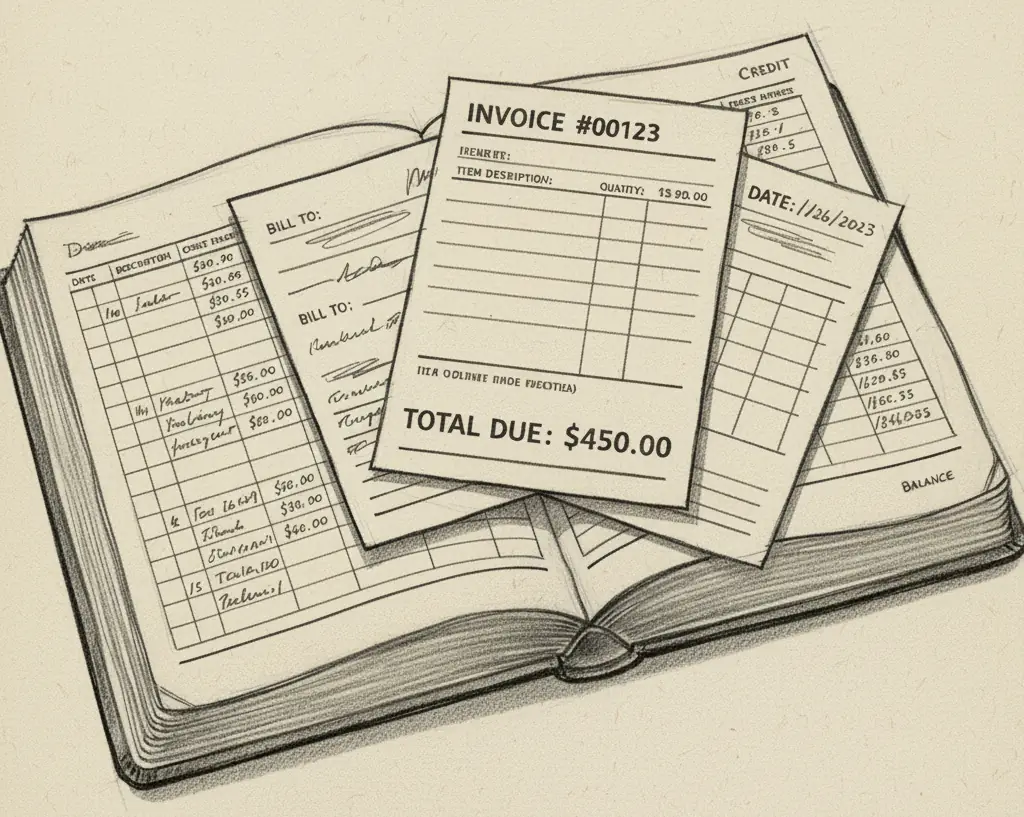
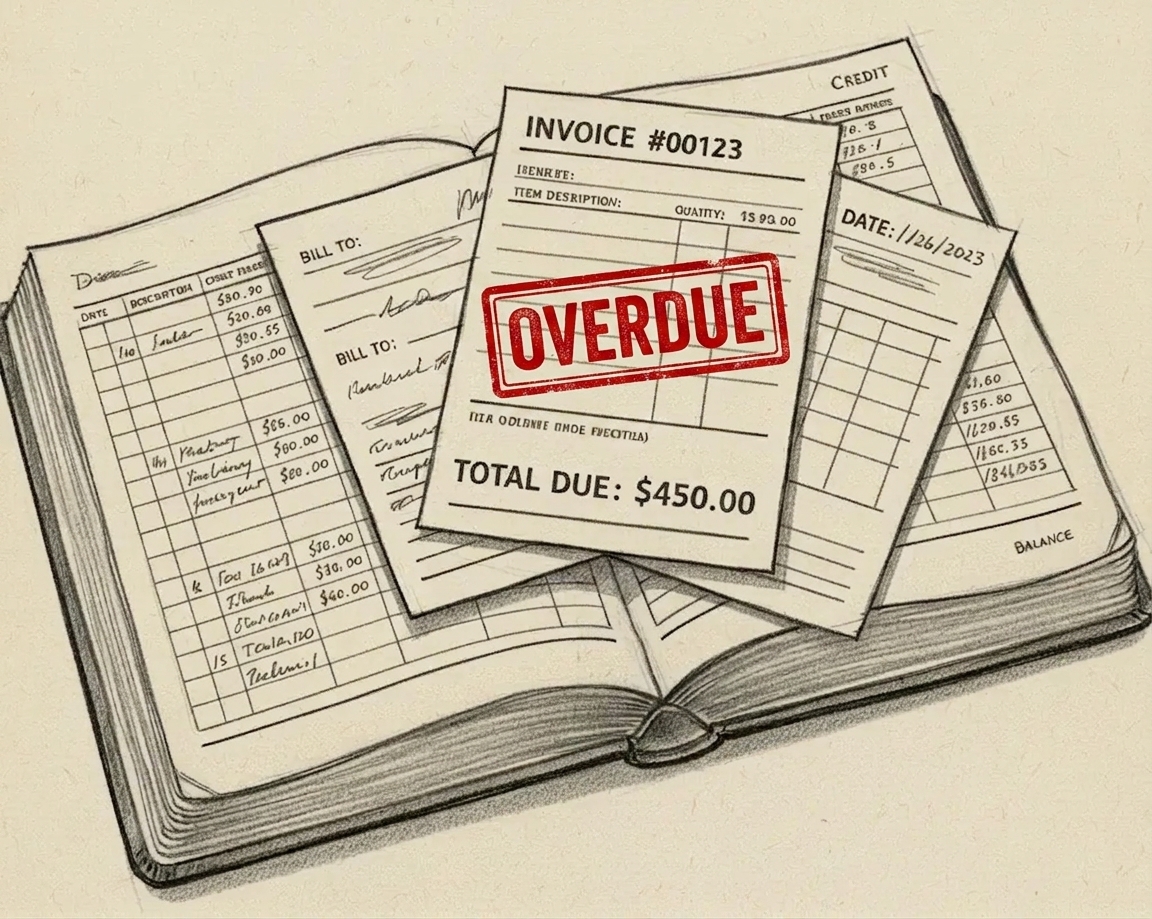
Payment reminders sent three days before an invoice is due, then again on the day it is due, then again seven days after. No human required. No judgement required. Just a rule, running on a schedule.
Appointment confirmations sent the day before, with a cancellation link. If the customer cancels, an alert goes to you automatically. The 35 to 50 per cent reduction in no-shows that automated reminder systems produce does not come from AI reading the situation. It comes from a message arriving at the right moment, every time, without you having to remember to send it.
Missed call notifications. When you are on a job and cannot answer the phone, an automatic text goes back to the caller within seconds. “Sorry I missed your call. I’ll be in touch shortly.” That is a rule. It takes no intelligence to execute. It keeps more enquiries alive than any amount of AI.
Form submissions routed to the right place. New customer information added to your records automatically. Weekly sales summaries sent to your inbox without anyone pulling the data together. None of these require AI.
Most businesses are sitting on a hundred hours a year of tasks exactly like this. That is the real opportunity. Most of it is invisible because nobody has ever stopped to write it down.
When AI actually helps
There are tasks where the pattern varies enough that a simple rule cannot handle it. These are the places AI earns its cost.
Reading an incoming email and deciding whether it is a sales enquiry, a complaint, a supplier query, or something that needs an urgent response: a keyword filter gets this wrong. An AI reading the email understands context.
Answering the phone when you cannot, handling questions you would normally answer yourself, asking the right follow-up questions and booking a callback: a fixed script fails the moment a caller goes off-piste. An AI holds the conversation.
Drafting a reply to a complaint that is firm but fair, using language appropriate to the situation: a template is too rigid. An AI writes to the moment.
The test is judgment. If the task could be handled by a well-written rule, start there. If it cannot, that is when AI becomes worth considering.
Fix the boring stuff first
The practical implication of all this is simple: start with what is repetitive and predictable. Get that off your plate. Measure what that saves you.
You will probably find that this alone is worth more than you expected. Many businesses I work with find the simple automations, the things everyone assumes are too basic to bother with, save four to six hours a week. At an owner’s effective hourly rate, that is significant money over a year.
Once the repetitive work is handled, you will have a much clearer view of what remains. And some of what remains will be genuinely appropriate for AI. But most businesses are not ready for that conversation yet, because they have not solved the simpler problem.
Start with what is costing you time right now. Not what is most impressive. Not what you read about in a headline. What you actually did manually this week that you should not have had to.
If you would like help making that list and working out what to do with it, get in touch. No sales pitch, no jargon. Just an honest look at your week.